Parsewise: the investor story behind an AI store assistant
A free tier that does real work, a paid tier priced against a support hire, and a wedge into the small and mid-size stores enterprise tools never reach.
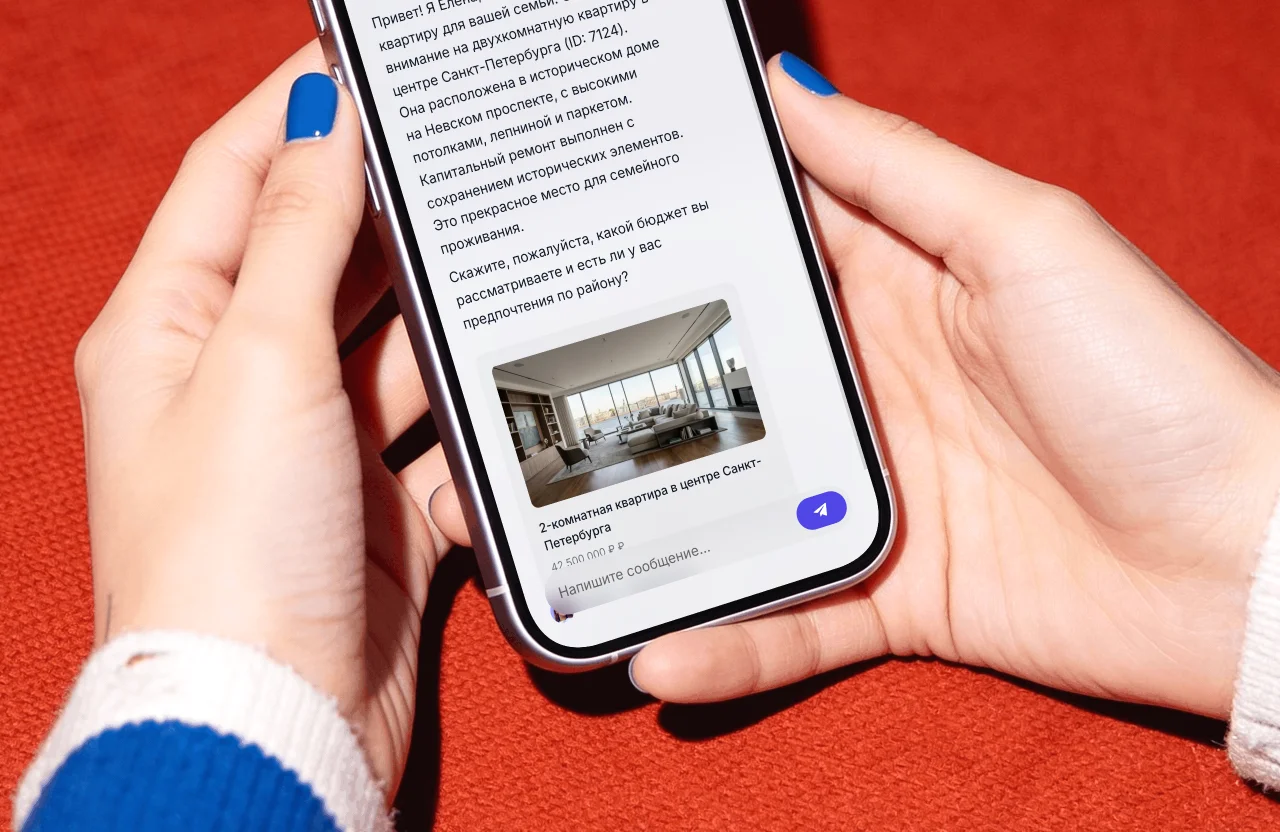
Parsewise sells to the part of e-commerce that enterprise software ignores: stores that are too small for a support team and too large to answer every message by hand.
Why the segment is underserved
Enterprise assistants cost more per month than the store makes in a slow week, and they need a team to configure. Rule-based widgets are affordable and useless. Between those two there is a very large gap, and it is where most of the world catalog actually lives.
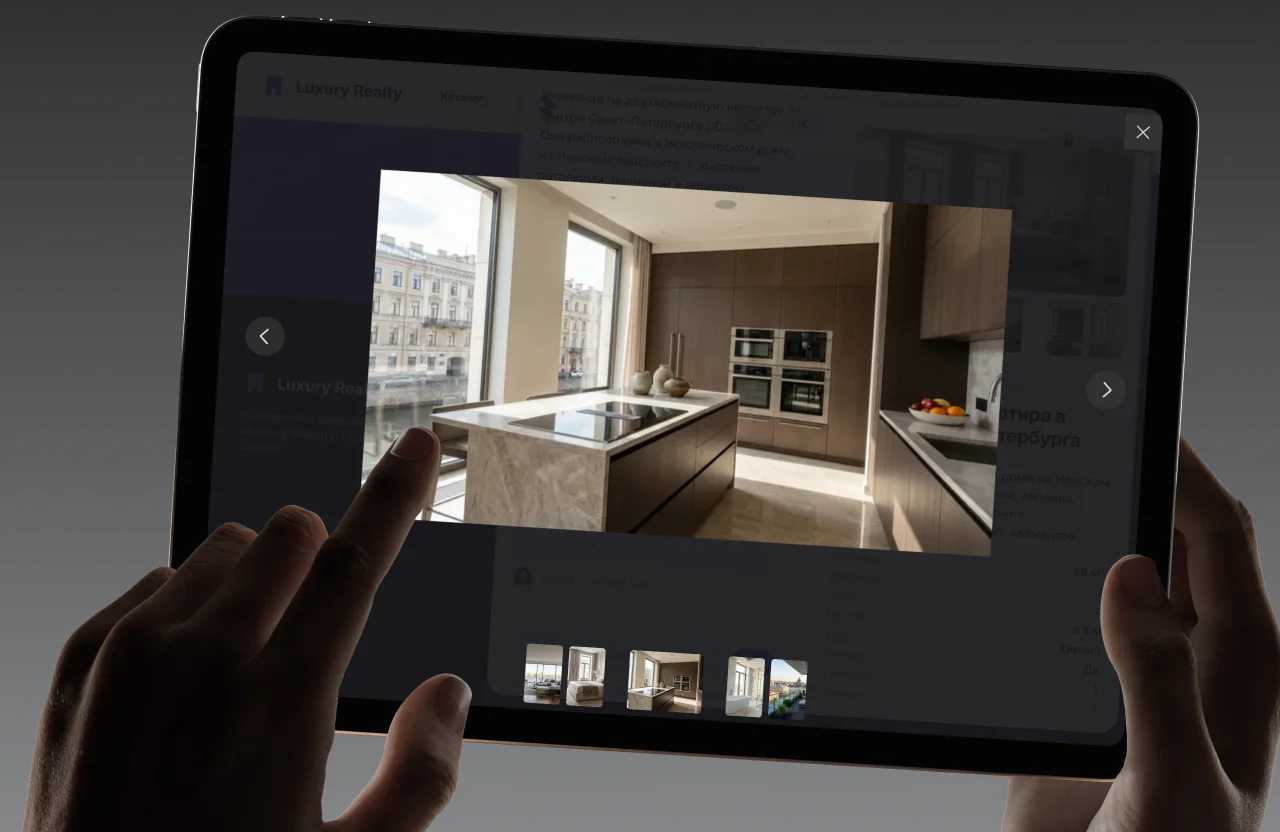
Our answer is a product that installs in minutes and imports the catalog from the formats these stores already export, including the back-office systems common in the region.

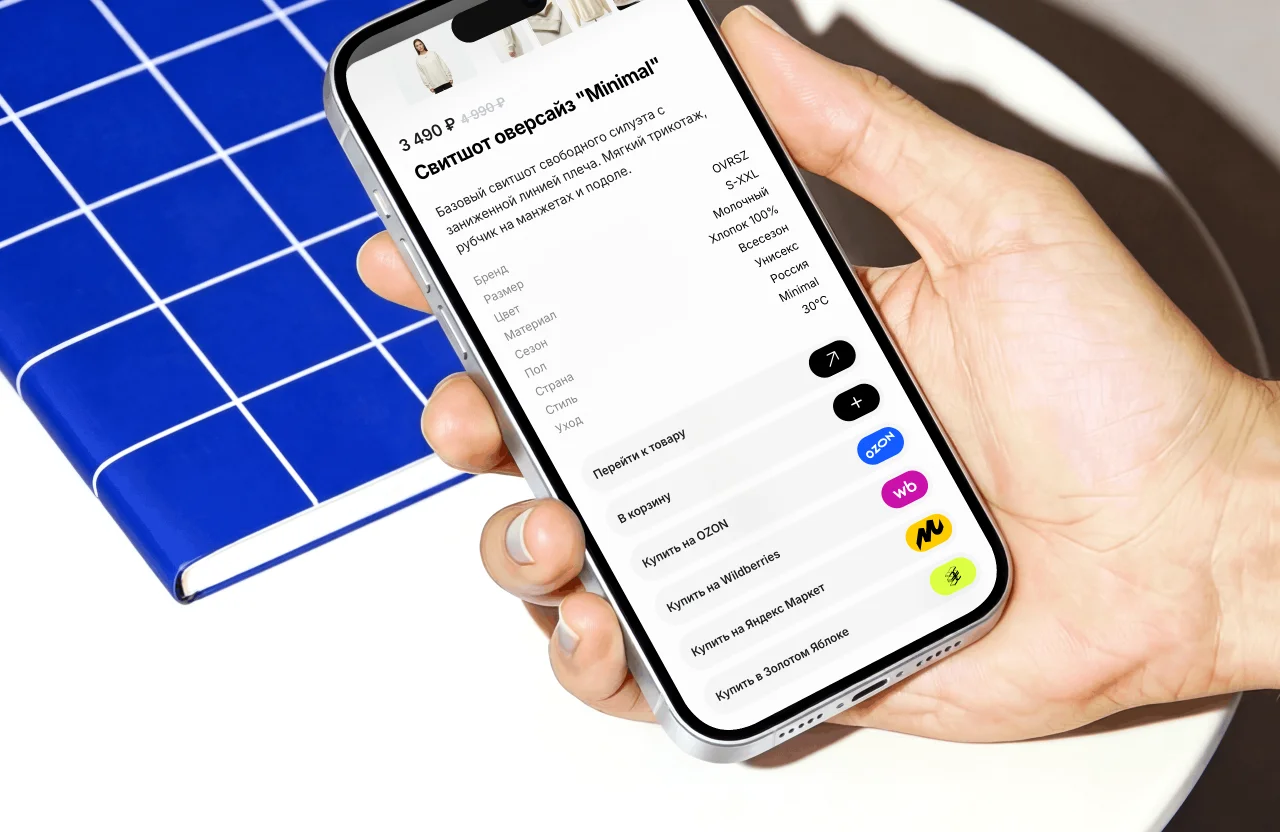
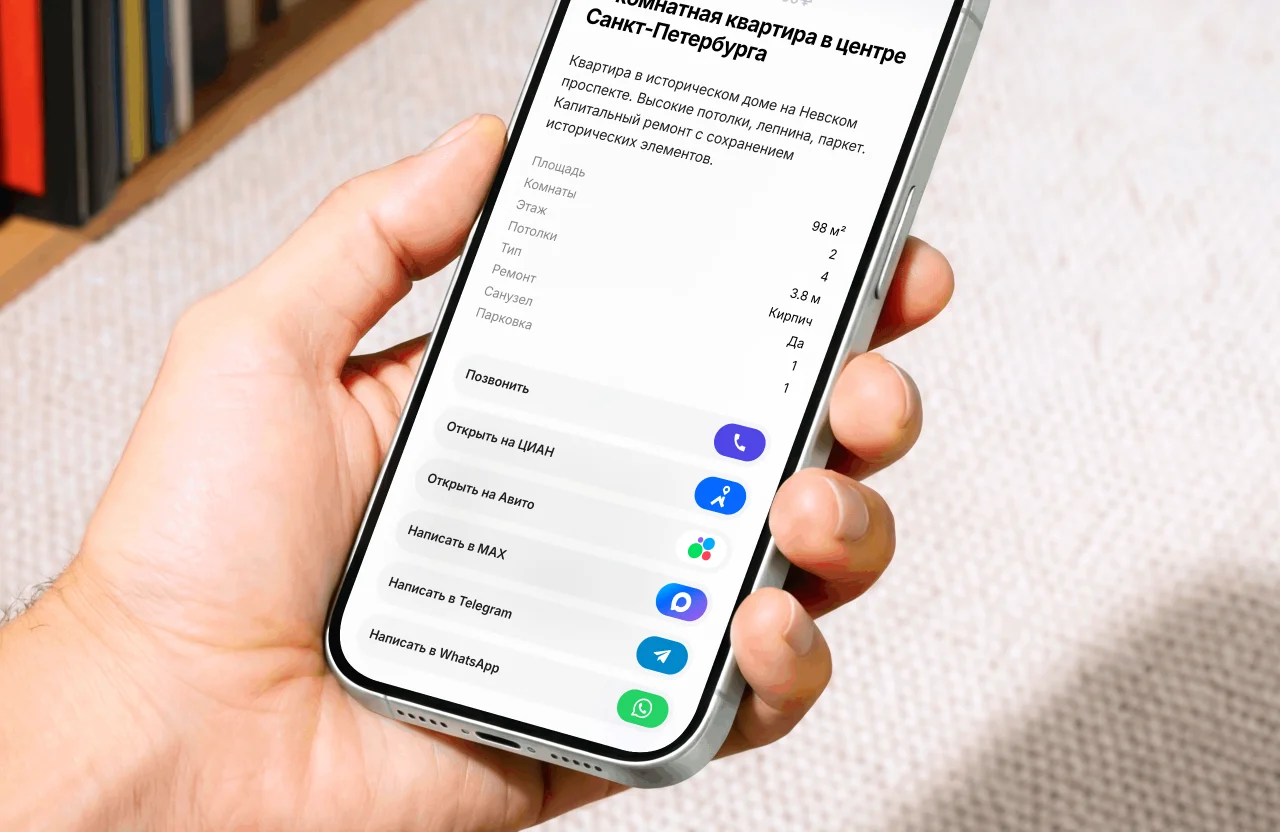
The free tier is the strategy
Full assistant, no time limit, watermarked only by our name in the corner. It costs us little because retrieval is cheap at small catalog sizes, and it puts the product in front of exactly the merchants who will grow into the paid tiers.
Unit economics
Acquisition pays back in months rather than years, gross margin stays high because inference is a small share of the bill, and expansion comes from catalog growth rather than seat growth.

The round
The raise funds product work, the go-to-market engine and the first fifty paying merchants. We are looking for investors who understand SaaS distribution and are comfortable with a free tier that is not a trial.
More builds from the shelf.
Same team, different problems. Recent cases in adjacent industries — each shipped with the senior people who own outcomes.


Tell us your task
Projects by type grow year over year
MVP, redesign, AI and support — cumulative
The studio profile across key axes
Speed, quality, transparency, engineering
Research, design and build overlap
Parallel streams — not a waterfall